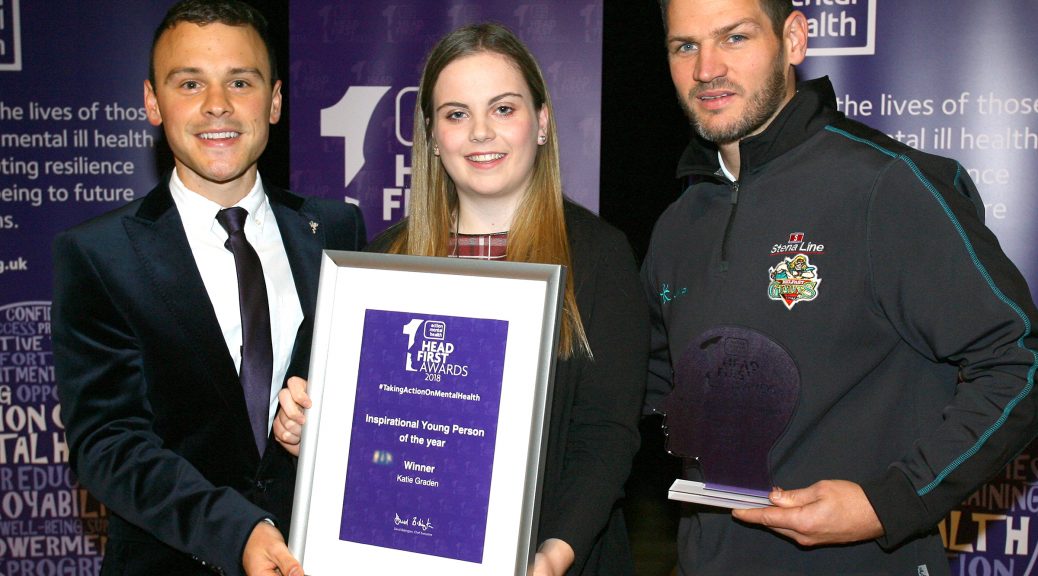
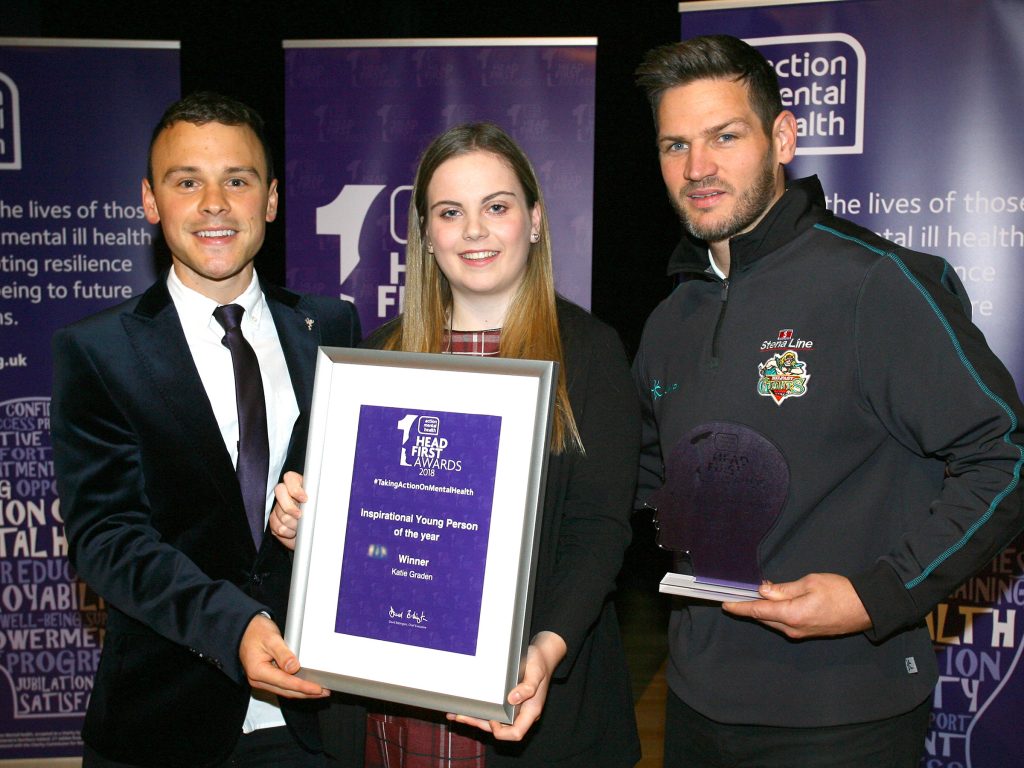
Action Mental Health’s Inspirational Young Person of the Year 2018 Katie Graden Spence has been selected as a finalist in a prestigious category of the Pramerica Spirt of Community Awards.
The awards programme recognises and rewards secondary school age children for volunteering work in their communities and this year Katie, from Newtownards is among 20 finalists in the list of Ireland’s Top Youth Volunteers.
The Glenlola Collegiate School pupil last year came to prominence after walking 297 miles for suicide awareness – a mile for every person lost to suicide in 2017, raising £1000 for Action Mental Health in the process.
She also devised plans to establish student led mental health and well-being committee for every school in Northern Ireland.
The 18 year old even outlined her proposals before to the Department of Education and the All Party Group on Mental Health.
Katie said her short-listing for the award ‘raises awareness on how young people have the power to change the world’.
Katie will attend the awards ceremony next month, which will take place at the Aviva Stadium in Dublin.
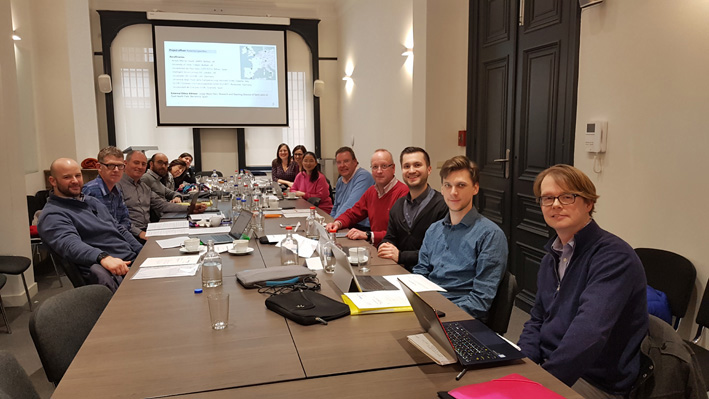
Last Wednesday (6th February) our Business Development manager Gavin McConvey was in Brussels for the launch of the H2020-MSCA-RISE “MENHIR” project.
MENHIR, led by the Universidad de Granada, Granada, Spain will research and develop conversational technologies to promote positive mental health. The technology hopes to assist people with mild depression and/or anxiety manage their symptoms and prevent relapse via mental health monitoring through interactive conversations.
Action Mental Health is one of the project members of MENHIR, a partnership of academia, private and voluntary sector organisations.
The other members are –
Ulster University, Belfast, N. Ireland
Universidad del País Vasco, Bilbao, Spain
Intelligent Voice Limited, London, UK
Universität Ulm, Ulm, Germany
Universitá degli Studi della Campania Luigi Vanvitelli, Caserta, Italy
MENHIR will use co-creation to develop a technology Chatbot to provide symptom and mood management, identification of patterns indicative of relapse and recurrence, personalised support, coping strategies, mental health education and signposting to online resources and local services.
Dr Tracey Murray, art therapist with New Life Counselling’s OKAY team – Only Kids and Youth, for people under 18.
Action Mental Health has teamed up with local experts like Dr Tracey Murray who today – during Children’s Mental Health Week – shares her expertise on helping young people negotiate the world of the Internet, Social Media and Gaming.
Tracey is an art therapist with New Life Counselling’s OKAY team, working with children and young people under 18 years of age.
The Internet, Social Media and Gaming
With growing developments and accessibility in internet technologies in the past few years there has been an increase regarding issues and negative factors affecting children and young people using social media. Whatsapp, facebook, instagram, snapchat, and musically, to name a few, are common online social platforms used by children and young people. Some of the issues arising and faced by children and young people from online activity include social withdrawal, online bullying, peer pressure, sexualised communications (sexting), sites promoting eating disorders, self-harm & suicide and sexual grooming.
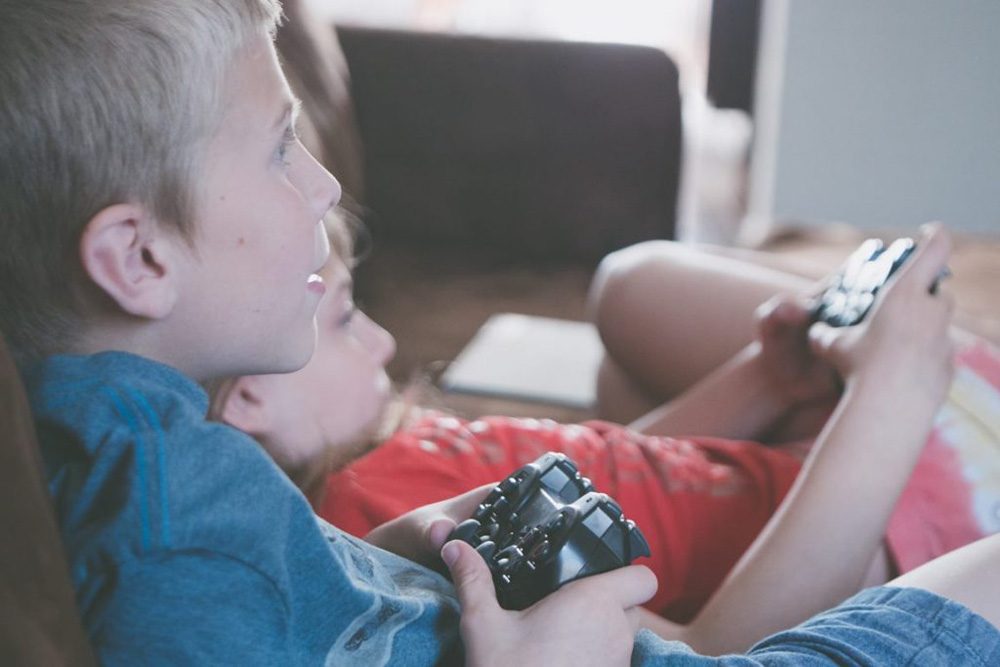
In 2018, the World Health Organisation named gaming as a mental health disorder under gaming addiction. Gaming in children and young people has become more of an issue over the past few years with an increase in playing inappropriate games which have violent content, like Call of Duty and Grand Theft Auto which are both age 18 rated games. Fortnite (rated age 12) is one of the most common games played by children of primary school age and has associated popular dances (The Floss). Gaming addiction could include a child or young person socially withdrawing from friends and shutting themselves away from family, along with gaming for long periods of time, losing interest in other hobbies and a change in sleep, eating, mood and behaviour.
Some tips for parents on gaming and social media usage:
Photo by Jessica Lewis from Pexels
Limit days/duration of screen time on gaming device/phone/tablet/computer
Monitor types of games being used with consideration for content and age appropriateness
Set parental controls on the gaming/phone/computer devices
Monitor any online activity with friends and unknown people on games/phone/computer
Find alternative activities like playing board games and outdoor play/sports
Monitor changes in mood, behaviour and sleep and contact GP if any changes become concerning
To find out more about New Life Counselling click here. New Life Counselling is a member of the Action Mental Health Group.
Our AMH MensSana team support all ages in the area of mental health and emotional well-being through a range of activities tailored to suit group needs. To find out more click here.
Thanks to everyone who contributed to our focus on Children’s Mental Health this week – to those who read the articles, commented and shared – thank you also. We are very grateful to all our supporters and fundraisers who make our work with children possible.
Dr Tracey Murray, art therapist with New Life Counselling’s OKAY team – Only Kids and Youth, for people under 18.
Action Mental Health has teamed up with local experts like Dr Tracey Murray who today – during Children’s Mental Health Week – shares her expertise on understanding Anxiety among young people.
Tracey is an art therapist with New Life Counselling’s OKAY team, working with children and young people under 18 years of age.
Anxiety
Anxiety can present in children and young people of any age and it is one of the most common presenting issues in youths (age 12-17yrs). There are different types of anxiety:
separation anxiety – when a child becomes anxious or distressed when separated from a significant other like a parent or care giver and this can occur when being dropped off at school or if a parent leaves the house, for example. This type of anxiety can be accompanied with other issues such as family difficulties/parental separation and attachment problems.
situational anxiety -this type of anxiety can manifest in developing fears or obsessive thinking and behaviours, like excessive hand washing. Some situational anxiety can be linked to specific experiences like exam stress or traumatic experiences. Moderate to severe anxiety can manifest in children and young people as panic with symptoms in the body including; rapid heart rate, excessive sweating, tight chest/shortness of breath, nausea, shaking.
social anxiety -caused by a fear of being in social situations and/or interacting with people. Anxiety is often accompanied by other presenting issues and factors such as social withdrawal, school refusal, low self-esteem and distorted self-image for example.
Helping a young person with anxiety:
Creative therapies and Cognitive Behavioural Therapy (CBT) approaches offer different ways of exploring and managing anxiety in a child/young person. Creative therapies offer a more child-centred approach that encourages the child/young person to express and explore their anxiety and any other related issues creatively using art, music, drama and/or play. A CBT approach is a more directive method which uses particular strategies aiming to change a young persons’ negative thinking and subsequent behaviours.
There seems to be growing understanding and development across primary schools in NI for implementing mindfulness and resilience type programmes into their Personal Development and Mutual Understanding (PDMU) which could help deal with and manage issues like anxiety presenting in children. Some primary schools also provide counselling/creative therapies. There is also an Independent Counselling School Service (ICSS) available in every post-primary school in NI for young people to access. Various community organisations such as New Life Counselling also provide therapeutic support to children and young people from age 4 – 17 years.
Dr Tracey Murray is back again tomorrow and shares her expertise on helping young people negotiate the world of the Internet, Social Media and Gaming.
To find out more about New Life Counselling click here. New Life Counselling is a member of the Action Mental Health Group.
Our AMH MensSana team support all ages in the area of mental health and emotional well-being through a range of activities tailored to suit group needs. To find out more click here.
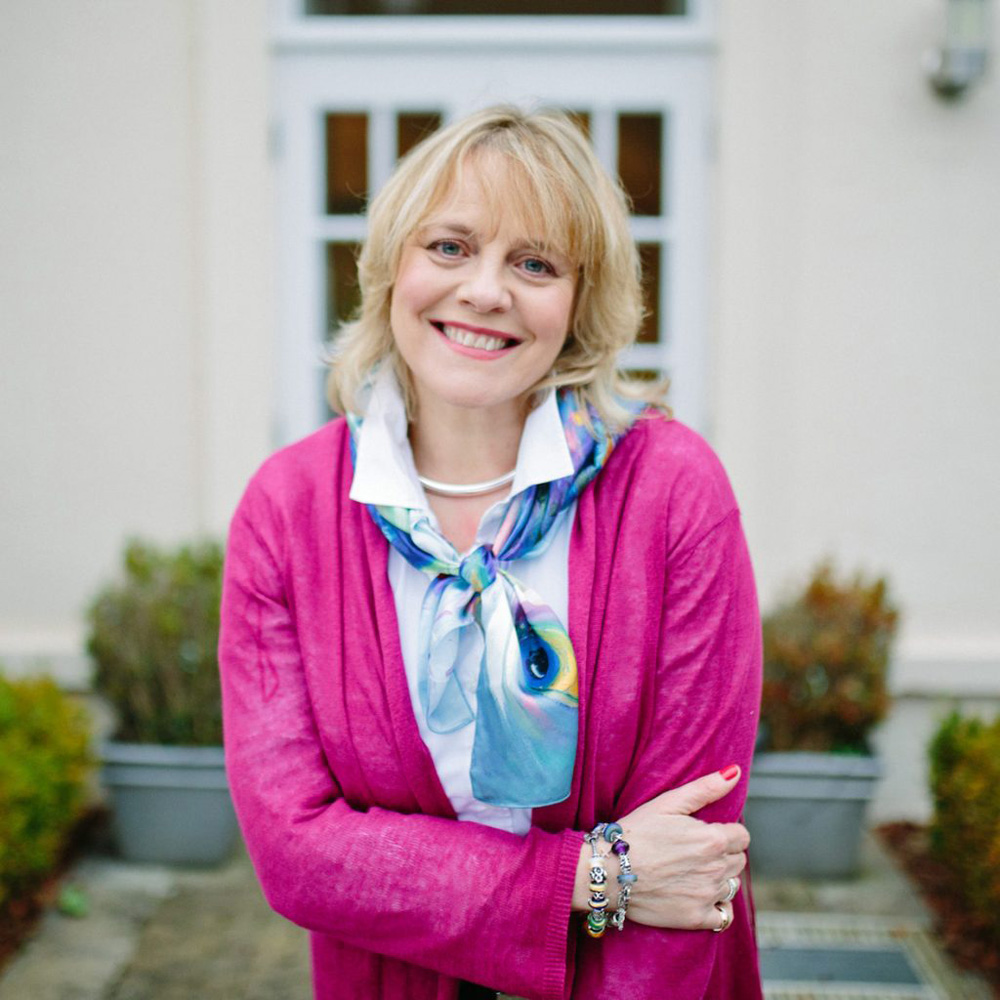
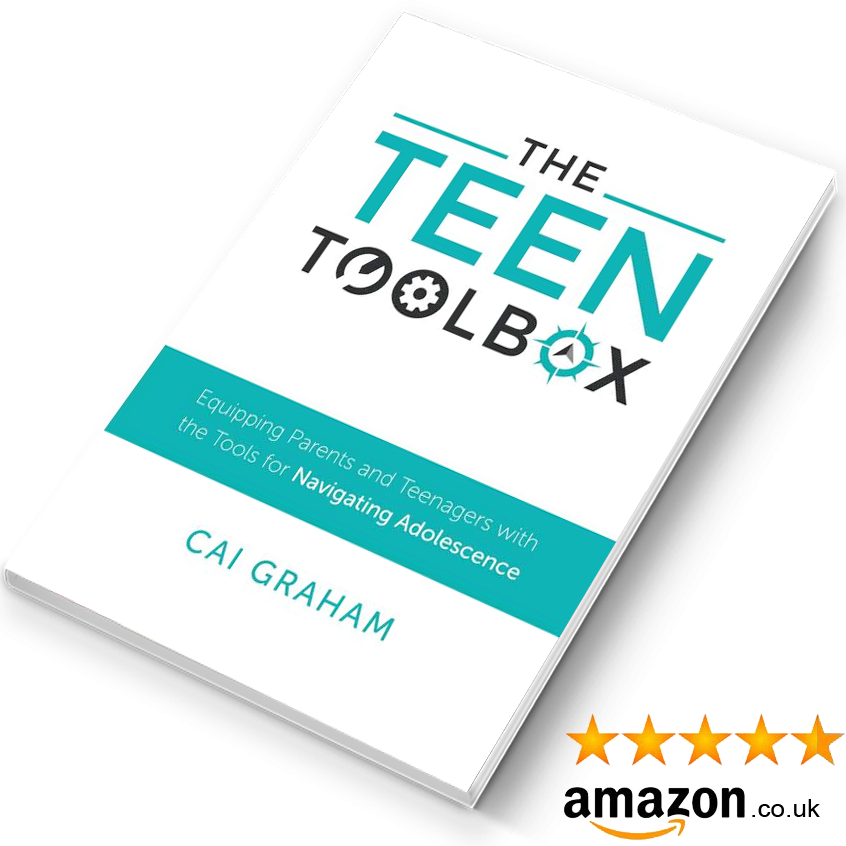
Cai Graham is a parent and life coach who has a special interest in the mental health and well-being of our younger generation – and their parents. Author of The Teen Toolbox, plus a free app for teenagers, and founder of ‘Peak Parenting’, she is one of the experts sharing her experience as part of Action Mental Health’s special focus on Children’s Mental Health Week.
Cai Graham, Parenting & Teen Coach, Speaker & Author
Cai, who lives in County Down, has been supporting local parents and their teenagers for a number of years and has developed free apps to help young people seek help – privately on their phones, when they need it most.
With a background as a therapist, Cai explains her motivation for turning her attention to parenting: “From observing families I noticed a modern-day epidemic of parents enduring their kids instead of enjoying their kids and feeling overwhelmed navigating the trials of modern parenthood.
“I felt inspired to support parents and children to reach a new level of love, understanding and unity within the home. My ultimate mission is to empower parents and teenagers with the tools and techniques they need to cope with the challenges of modern day life. Once we have skills to communicate effectively and find confidence we can live full, happy and healthy lives.”
Cai has experience in promoting positive ways to deal with anxiety and panic attacks, bullying and helping parents support their children through self-harm.
It is full of helpful and insightful podcasts for parents and teenagers alike, on issues such as Building Your Child’s Self-Confidence and Self Care Strengthens Your Resilience and also a Timeline Therapy for Teenagers: Removing Emotional Baggage
There are tips on How to Cope with Bereavement, Understanding Self-Harm, Discipline and Your Teenager and Hope to Cope with Cyber Bullying and even advice on How to Talk to your Child About Terrorism.
Calming It Down 5-4-3-2-1
Navigating the teenage years can be difficult for even the most grounded person. But at times everyone can feel overwhelmed by anything from difficulties with friendships to being plagued by anxiety and panic attacks.
Based on NLP (neuro linguistic programming – the way we communicate with ourselves) Pattern Interrupt, Cai takes app users through a quick and easy process of calming the mind down when it’s in chaos.
In just two or three minutes, whether you’re sitting in your bedroom or are on the bus on the way to school, it helps put the brakes on feelings of anger, anxiety, or if you feel like a panic attack is approaching, with all the accompanying physical symptoms like a racing heart and a tummy full of butterflies.
Called the 5-4-3-2-1 method, Cai gets people to count on their hand, starting with five, and directs them to think of five things you can see in your surrounding area, wherever you may be; then four things that you can touch; three things you can hear; two things you can smell; and finally one thing you can taste. Cai describes it as a way of diverting your mind to halt its path to a panic attack or a pattern of worry or anger and helps to retrain the brain away of the troubling and chaotic thoughts.
There are a range of regularly updated videos on the app and are quick and easy to use wherever you may be and at whatever time of the day or night you might need the support.
Danske Bank raises £130,000 for children’s mental health promotion
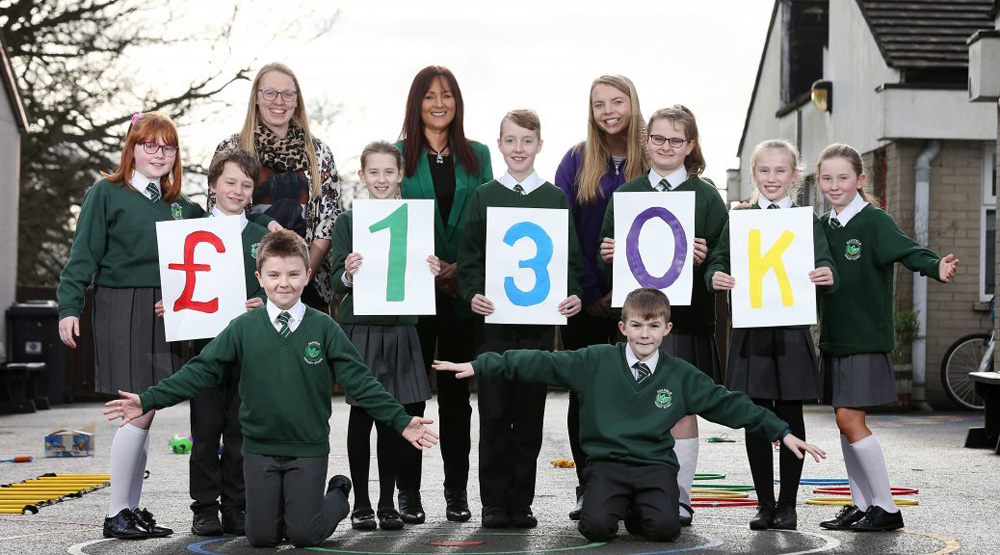
Action Mental Health depends a great deal on corporate support to help fund our many and varied services delivered to all age groups right across Northern Ireland. And this week, during Children’s Mental Health Week, we are delighted to hear the announcement by one of our corporate partners, Danske Bank, that they have raised £130,000 for our Healthy Me programme over the past two years.
Oakfield Primary School, Carrickfergus celebrate Danske’s fundraising total so far – the pupils and staff have benefited from Action Mental Health’s Healthy Me programme
The money was raised by Danske Bank’s employees and customers since 2017 when it began to actively support Healthy Me, which aims to positively promote mental health and social and emotional well-being in 8-11 year olds.
To date, the £130,000 has helped bring Healthy Me to 1,928 children and 374 adults in 2018 and will reach a further 1,375 children and 195 teachers and parents this year.
Aisling Press, Head of Branch Banking at Danske Bank said: “We believe that as the largest bank in Northern Ireland we have a responsibility to contribute to the local communities we serve and play our part in addressing issues that affect wider society.
“In Northern Ireland one in five adults are affected by mental ill-health at some stage in their lives. But it is not just something that concerns adults, children are affected by mental health issues too. Research shows that 50% of all adult mental health problems are developed by the age of 14. Through our support of Action Mental Health’s Healthy Me, we want to improve the outlook for our future generation.”
Action Mental Health’s Chief Executive, David Babington added: “Just last month, the Royal College of Paediatrics and Child Health Ireland reported that children and young people’s mental health in Northern Ireland remains at crisis point. While this is extremely worrying, it reinforces the need for early intervention and educational programmes like Healthy Me.
“The theme for Children’s Mental Health Week 2019 is ‘Healthy: Inside and Out’ something that is reflected in our programmes for children and young people. We focus on promoting mental well-being alongside physical well-being, encouraging participants to engage in the five ways to well-being, to help support the development of coping skills and emotional resilience.
“We rely on Danske Bank’s support to enable us to deliver Healthy Me sessions across Northern Ireland and would like to thank them for their generosity.”
Vicky Logan, a P6 teacher at Oakfield Primary School in Carrickfergus which recently benefitted from Healthy Me, said: “We found the session with Action Mental Health incredibly valuable. Mental health issues can affect the youngest to the oldest in society but as adults we have better tools to cope with it. Healthy Me will have taught the pupils some important skills that they will be able to carry with them throughout their lives.”
The partnership between Danske Bank and Action Mental Health is set to continue in 2019 and includes volunteering, education initiatives for the charity’s clients and wellbeing support for Danske employees.
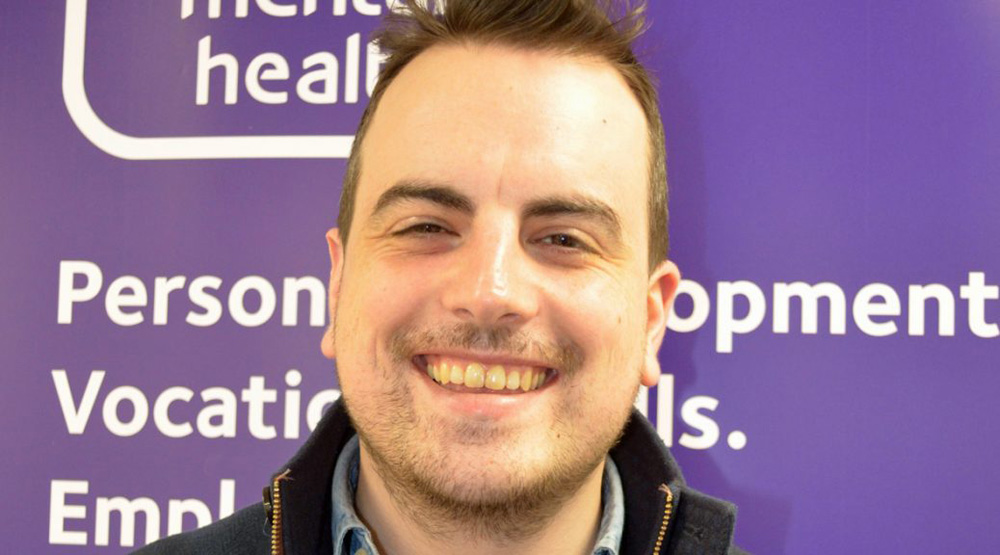
Dr Philip Anderson, Consultant Psychiatrist, BHSCT
With the rising incidence of mental ill-health regularly dominating our headlines there’s rarely been a greater need to talk.
And as we mark #Time to Talk Day, Action Mental Health is delighted everyone’s attention is being drawn to the importance of smashing the stigma of mental ill-health.
Talking therapy has long been key to many people’s recovery from periods of mental health difficulties and is one of the Five Ways to Well-Being – ‘Connect’.
It is also one of the areas covered by Northern Ireland consultant psychiatrist Dr Phil Anderson who, during Children’s Mental Health Week this week, (February 4 to 10) has focused on this area in a series of articles written especially for Action Mental Health.
Connection
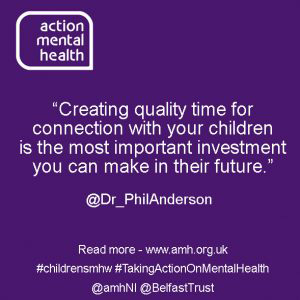
Relationships are the most important way through which children can develop resilience to cope with the stress that life can throw our way. Creating quality time for connection with your children is the most important investment you can make in their future. However, this can be a real challenge, with the ever increasing work demands and the increasing financial burdens placed on families today.
However, children’s ability to regulate their emotions is not something that neither happens in a vacuum nor mysteriously appears in a crisis. It happens through the connection of a nurturing relationship with an ‘attuned’ parent. Attunement describes how reactive a person is to another’s emotional needs and moods. A parent who is well attuned will respond with appropriate language and behaviours based on their child’s emotional state. We can only learn to become attuned by getting to know our children’s particular ways of being and communication. This can only be achieved by giving our children our attention and validating their contribution to solving whatever the problem may be. By giving children a safe ‘connection space’ to talk about their feelings and in turn give reassurance about whatever is causing them distress – we can help ‘co-regulate’ their emotions – which in time they develop the internal tools to regulate themselves. Dr Daniel Siegel, Professor of Child Psychiatry at UCLA, states in his book, ‘No-Drama Discipline’, that ‘for a child…it’s extremely powerful to hear someone say, ‘I get you… I understand. I see why you feel this way.’ This kind of empathy disarms us.
A key part of building connection is through the sense of ‘touch’; the reassurance from a parents hug can help a distressed child to regulate distress. Human physical contact releases the ‘good-feeling’ hormones such as serotonin that can help us to feel calmer. Neuroscience has shown that in, particularly early childhood, physical contact from our parents or carers, is essential for healthy brain development and emotional health. Professor Francis McGlone, a leading researcher on the biology of touch, has said ‘touch is not a sentimental human indulgence, it’s a biological necessity.’ However, western cultural trends have resulted in some parents and carers feeling increasingly hesitant about physical contact and children may be experiencing less physical contact than ever before. Dr Rangan Chatterjee, GP and author of the recently published ‘Stress Solution’ book, recommends that parents regularly hug their children and encourages the use of play fighting with older children.
Modern life, particularly with the rise of social media and video gaming, can cause so many distractions that can get in the way of parents spending quality time with their children. Rather than simply outright banning these modern distractions, they can perhaps be used as opportunity to meet the young person in their environment and let conversation flow, for example, playing video games together. The potential day-to day opportunities for this are endless and can include; grocery shopping, making dinner and walking the dogs. Whatever way it works to bring this ‘connection space’ in your family, the key message is it feels safe, regular and reliable to the young person.
Connection is a conduit for compassion. Young people often model the ways their parents or carers connect with others. To this end, showing compassion in connection and helping others has been shown by research to strongly promote resilience and emotional health. Dr James R. Doty, Clinical Professor of the Department of Neurosurgery at Stanford, says that being compassionate is our default mode and this is impaired by the chronic stress of modern life. He says ‘when someone acts with compassionate intention it has a huge, huge positive effect on their physiology’ releasing calming body hormones. Demonstrating compassion and volunteering to help others, can allow your child to model these behaviours and build resilience throughout their life.
Dr Philip Anderson, Consultant Psychiatrist, BHSCT
Action Mental Health has teamed up with local experts like consultant psychiatrist, Dr Phil Anderson who today – during Children’s Mental Health Week – shares his expertise on Parental Self Care.
Parental Self-Care
Investing in your own resilience and emotional health can be easily forgotten in the busyness of modern family life. However, a parent or carer’s ability to develop resilience in their children is strongly connected to their own emotional resilience. Keeping emotionally regulated in the moment, whilst an infant is having a temper tantrum or a young teenager has an emotional outburst over house rule setting, can be one of the biggest challenges in parenthood.
Dr Daniel Siegel, commented in his book, ‘The Yes Brain’ that ‘A parent’s resilience serves as a template for a child to see how to deal with challenges, how to understand their own emotions.” Part of the difficulty, can be a cultural assumption that family life can be free from arguments, tantrums and expressed emotions.
When actually infant temper tantrums and teenagers emotional outbursts over house rule setting, are not always pleasant but nonetheless normal and healthy appropriate parts of growing up. Helping young people navigate and regulate through these emotional outbursts are key part of developing their resilience.
Dr. Siegel states that parents who don’t run from these unpleasant emotional outbursts have a greater capacity to absorb challenging interactions with their children. He advises parents not to worry if this kind of resilience doesn’t come naturally, he says ‘with practice, it gets easier’.
In the tricky moment with a distressed young person, it can be helpful to pause, take a deep breath, and ‘count to ten’. It is not always possible but it can be helpful to take this moment to regulate your feelings before trying to help your child regulate their distress.
The first 3 steps for promoting resilience in your child equally apply to you. Investment in connection, understanding stress and a healthy lifestyle will help develop your own resilience which in turn can pay dividends in helping you develop resilience in your child.
Dr Siegel in his book, ‘Whole Brain Child’ states, ‘as parents become more aware and emotionally healthy, their children reap the rewards and move toward health as well. That means integrating and cultivating your own brain is one of the most loving and generous gifts you can give your children.’
Thanks so much to Dr Phil Anderson for all your insightful articles this week!
Our AMH MensSana team support all ages in the area of mental health and emotional well-being through a range of activities tailored to suit group needs. To find out more click here.



 MENHIR will use co-creation to develop a technology Chatbot to provide symptom and mood management, identification of patterns indicative of relapse and recurrence, personalised support, coping strategies, mental health education and signposting to online resources and local services.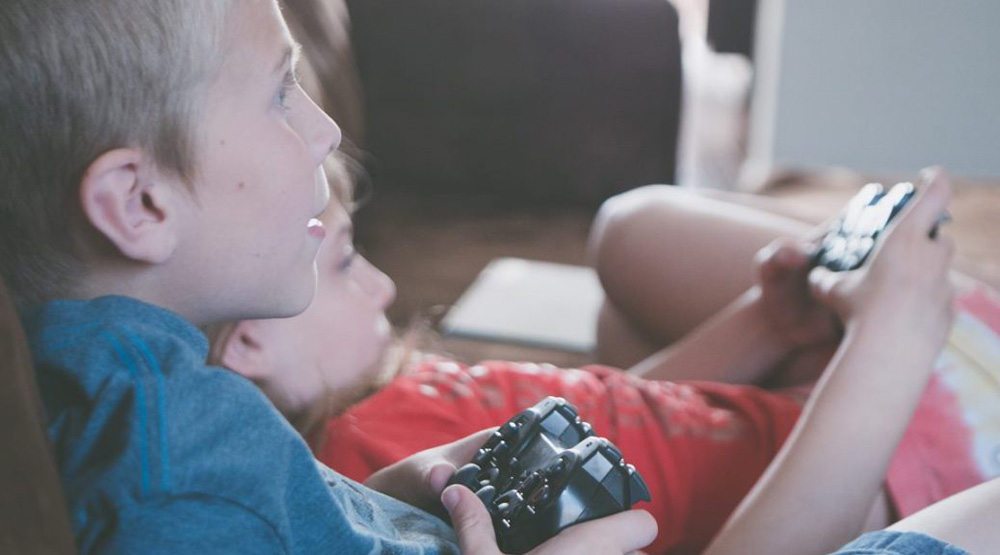

 A key part of building connection is through the sense of ‘touch’; the reassurance from a parents hug can help a distressed child to regulate distress. Human physical contact releases the ‘good-feeling’ hormones such as serotonin that can help us to feel calmer. Neuroscience has shown that in, particularly early childhood, physical contact from our parents or carers, is essential for healthy brain development and emotional health. Professor Francis McGlone, a leading researcher on the biology of touch, has said ‘touch is not a sentimental human indulgence, it’s a biological necessity.’ However, western cultural trends have resulted in some parents and carers feeling increasingly hesitant about physical contact and children may be experiencing less physical contact than ever before. Dr Rangan Chatterjee, GP and author of the recently published ‘Stress Solution’ book, recommends that parents regularly hug their children and encourages the use of play fighting with older children.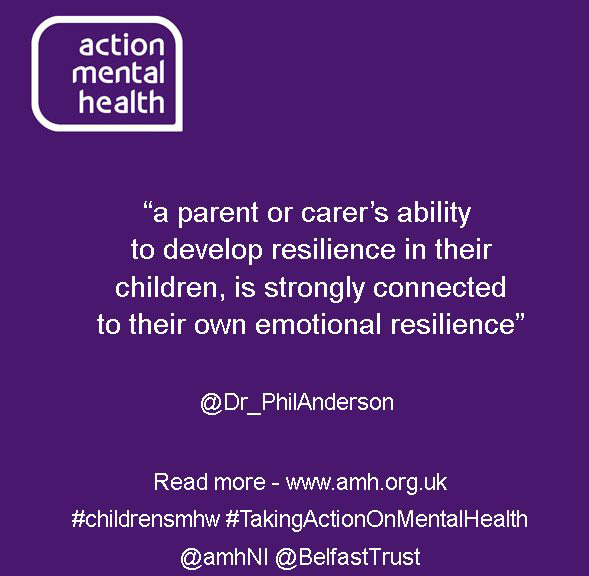
 Dr. Siegel states that parents who don’t run from these unpleasant emotional outbursts have a greater capacity to absorb challenging interactions with their children. He advises parents not to worry if this kind of resilience doesn’t come naturally, he says ‘with practice, it gets easier’.